Less waste
How to stop wasting food at home
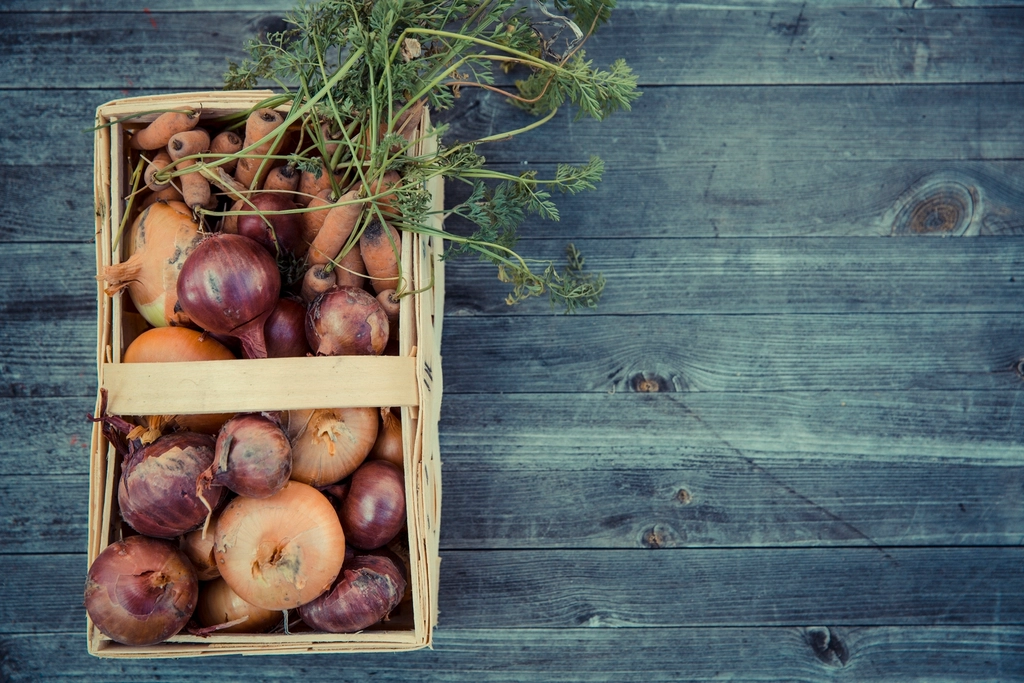
To waste less food, buy to a plan, store food in the right place, and cook what is closest to its date first. Most household food waste is not spoiled food, it is good food that got forgotten. WRAP estimates the average UK household bins around £700 of edible food a year, so the habits below pay for themselves fast.
Why we waste so much (and it is not laziness)
The charity WRAP, through its Love Food Hate Waste campaign, estimates UK homes throw away millions of tonnes of food each year, most of it perfectly edible when it went in the bin. The reason is rarely carelessness. It is that we buy more than we plan to cook, forget what is already in the fridge, and misread date labels. Fix those three things and the waste falls away on its own. You can see the latest figures at lovefoodhatewaste.com.
Where the money actually goes
A few foods do most of the damage, largely because they are perishable and easy to forget at the back of the fridge or in the bread bin.
| Food | Why it gets wasted | Quick fix |
|---|---|---|
| Bread | Goes stale or mouldy before it is finished | Freeze half the loaf; toast straight from frozen |
| Milk | Bought on autopilot when there is still some in | Check before you shop; freeze if it will turn |
| Fresh veg and salad | Bought with good intentions, hides in the drawer | Store in the drawer, cook it early in the week |
| Leftovers | Forgotten in an opaque tub | Clear containers, labelled, eaten within two days |
| Fruit | Over-ripens in the bowl | Fridge to slow it, or freeze for smoothies and baking |
1. Shop your fridge first
Before you write a list or open a delivery app, look at what you already have and plan a couple of meals around it. Most waste starts with buying things you did not need on top of things you forgot you had. A rough meal plan for the week, even just three or four dinners, stops the trolley filling with hopeful extras.
2. Store food properly
The right spot makes food last noticeably longer. Herbs keep in a glass of water, leafy veg stays crisp in the drawer, and raw meat belongs sealed on the coldest bottom shelf. Getting the fridge itself down to 0 to 5°C helps everything last longer too. Our fridge storage chart has the times for common foods, and how to organise your fridge covers where each thing should sit.
3. Keep an "eat me first" zone
Keep a spot at the front of the fridge for anything near the end of its life. If it is in your eyeline, it gets eaten. If it is buried behind the leftovers, it does not. This one habit quietly prevents more waste than any other, because it turns "what needs using?" into a glance instead of an archaeology dig.
4. Understand date labels
This is where a lot of good food dies needlessly. "Best before" is about quality, not safety, so plenty of food gets binned the day it reaches a date it was actually fine past. Trust your eyes and nose for best-before items. Only "use by" is a hard safety stop, and that one you should always respect. The FSA explains the difference at food.gov.uk.
5. Love your leftovers
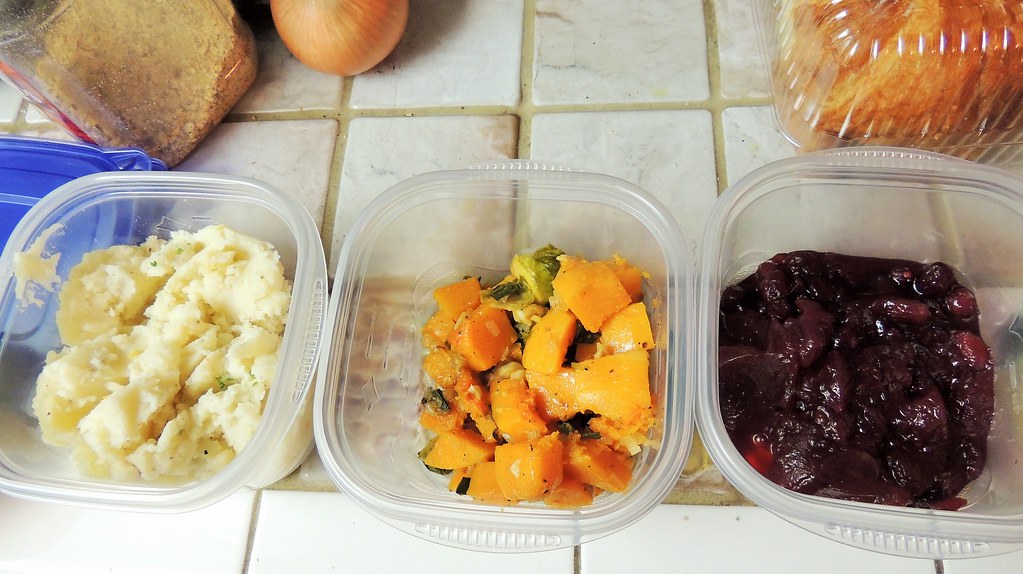
Box up extras in clear containers, label them with the date, and treat them as tomorrow's lunch. Cooked too much is free food if you keep it visible. On safety, cool leftovers within one to two hours, keep them no more than two days, and reheat once until piping hot. Anything you will not get to, freeze.
6. Batch cook and freeze the gluts
The freezer is the most underused waste-buster in the kitchen. Cook once and portion for later, and freeze anything on the turn: bread, milk, grated cheese, chopped herbs, over-ripe bananas for baking. A well-stocked freezer also means fewer emergency takeaways, which is its own saving.
7. Let the tech remember for you
You cannot use up what you have forgotten about, and remembering is the hard part. What's in my Fridge keeps a running list of what you have, flags what is going off soon, and turns it into dinner ideas, so good food gets eaten, not binned. It is free to start, no card needed.
Wasting less food: frequently asked questions
How can I stop wasting food at home?
Buy to a plan, store food properly, and cook what is going off first. Most waste is food that was fine when bought and got forgotten, so keeping what you have visible and using it in time is the biggest fix.
How much food do UK households throw away?
UK homes waste millions of tonnes of edible food a year according to WRAP, worth a real slice of the weekly shop. The charity Love Food Hate Waste has practical tips at lovefoodhatewaste.com.
How much money can I save by wasting less food?
WRAP estimates the average UK household throws away around £700 of edible food a year, rising for families with children. You will not recover all of it, but planning meals, storing food well and using up leftovers can save a meaningful chunk of the weekly shop.
What is the easiest way to waste less food?
Cook what is closest to its date first. Check the fridge before you shop, keep older items at the front, and freeze anything you will not use in time. Small habits, done consistently, cut most of the waste.
Stop guessing what's in your fridge
Snap your shopping or a receipt and let AI log it all: track freshness, get dinner ideas, and waste less. Free to start, no card needed.
Try it free — no cardRelated: how we waste £60 a month on food and how to organise your fridge.
← More from the blog